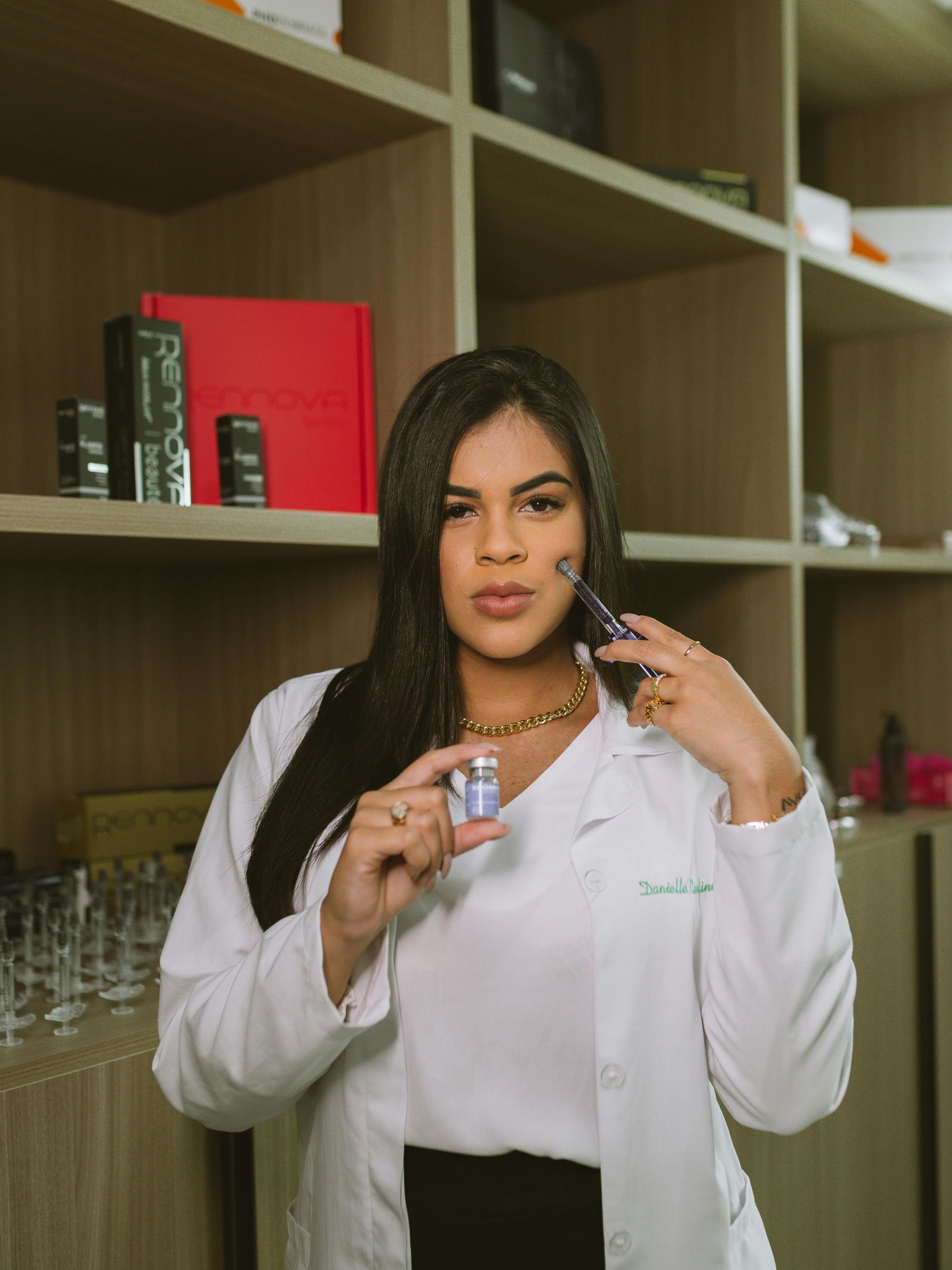
How Med Spas Can Reduce Provider Liability With a Digital GFE Workflow
Provider liability is one of the most misunderstood risks in aesthetic medicine.
Most practices assume that as long as a Good Faith Exam is completed, they’re protected. But the real risk isn’t the exam — it’s the documentation gaps, inconsistent workflows, and missing audit trails that happen behind the scenes.
A digital GFE workflow changes everything.
1. Liability Comes From Inconsistency, Not Intent
Even well‑run practices fall into patterns like:
- Different providers asking different questions
- Missing medical history fields
- No standardized contraindication checks
- Notes stored in multiple systems
These inconsistencies create exposure during audits or complaints.
GFEase eliminates variability by enforcing a uniform, state‑aligned workflow for every patient, every time.
2. Digital Documentation Protects Medical Directors
Boards increasingly expect:
- Timestamped provider review
- Clear delegation
- Treatment‑specific medical justification
- A complete, retrievable record
GFEase automatically generates a structured, compliant, audit‑ready file that protects both the practice and the supervising provider.
3. Automated Intake Reduces Human Error
Manual data entry is where most liability begins.
Digital intake ensures:
- No skipped questions
- No missing vitals
- No incomplete history
- No lost forms
This is how practices reduce risk without adding workload.
4. Liability Drops When Workflows Are Predictable
A predictable workflow is a defensible workflow.
GFEase gives practices a repeatable, compliant, documented process that stands up to scrutiny.
Bottom Line
Liability isn’t about the exam — it’s about the workflow.
Digital GFEs are the safest path forward.