Why Every Med Spa Needs a Standardized GFE Workflow in 2026
The aesthetic industry is evolving fast — and so are state boards.
Regulators are tightening expectations around:
- Provider oversight
- Documentation quality
- Telehealth protocols
- Treatment‑specific medical clearance
- Patient safety standards
The practices that thrive in 2026 will be the ones that standardize their Good Faith Exam workflow now, before compliance becomes a scramble.
Here’s why.
1. State Boards Are Increasing Enforcement
Across the country, boards are clarifying:
- Who can perform a GFE
- What must be documented
- When a GFE must occur
- How telemedicine must be conducted
A standardized workflow ensures every patient receives the same compliant process, regardless of staff turnover or provider availability.
2. Consistency Protects Your Medical Director
Medical directors are being held responsible for:
- Incomplete documentation
- Missing medical history
- Improper delegation
- Lack of oversight
GFEase provides:
- Timestamped provider review
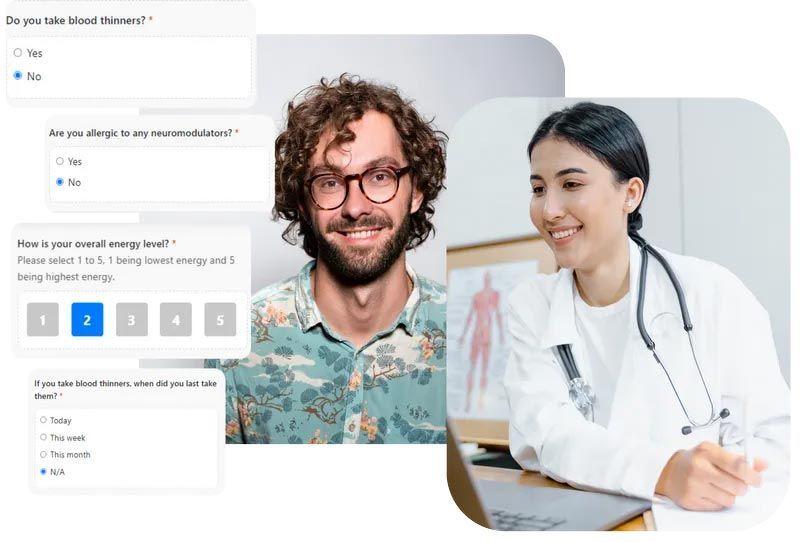
- Structured medical intake
- Treatment‑aligned questions
- A complete audit trail
This protects the practice and the supervising provider.
3. Standardization = Scalability
If your GFE process changes depending on:
- Who’s working
- What day it is
- Which provider is available
…you can’t scale.
GFEase gives you a repeatable, predictable, compliant workflow that works for 10 patients or 10,000.
4. Patients Trust Practices With Clear Processes
A standardized GFE:
- Builds credibility
- Reduces confusion
- Improves patient satisfaction
- Increases treatment acceptance
Patients feel safer when the process feels professional and consistent.
The Future Is Standardized
Med spas that rely on ad‑hoc GFEs will fall behind.
Med spas that adopt a unified, compliant workflow will lead the industry.
GFEase is the fastest way to get there.